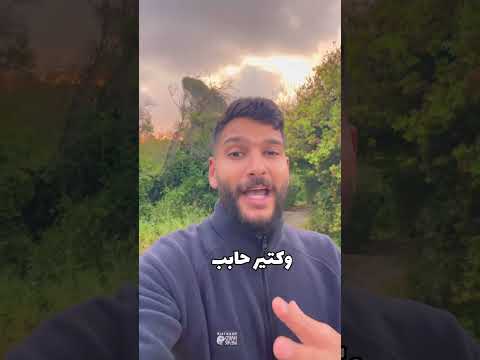
From the Old City of Al-Quds to Sebastia: A Journey Through Living History
In this travel story, Hamzeh Afghani begins in the heart of the Old City of Al-Quds, walking through familiar streets before heading out toward the West Bank. The journey is not just scenic—it’s emotionally charged and grounded in what the creator witnesses on the ground, including the tension he describes across many areas and how daily life feels during the season of olive harvest.
As the video moves away from Al-Quds, the atmosphere shifts: more road-side realities, fewer “ordinary” moments, and an ever-present sense of uncertainty. Yet the day’s destination remains clear—Sebastia, a village and historic place in the Nablus governorate, where tradition, archaeology, and faith overlap.
West Bank Olive Season: Life, Farming, and Concerns
One of the strongest threads in the video is the olive harvest season. Hamzeh repeatedly emphasises how important this time is for families, describing how people traditionally gather to work the land and share meals together. However, he also explains that the current season is harder than usual, with farmers changing routines and feeling increased pressure.
He speaks of:
- Increasing settlement-related tension, which he describes as escalating over time.
- Farmers feeling forced to adapt plans due to attacks and fear.
- Communities attempting to continue working their olive lands despite the risks.
As he travels between locations—visiting communities and witnessing the way movement and access can feel complicated—the video portrays a region where history is never “only history”. It is lived daily.
Arrival in Sebastia: A Place “Written in History”
When Hamzeh reaches Sebastia, he frames the destination as a particularly meaningful site—one he describes as historically significant and linked to many eras. He notes that the place is known for both ancient context and religious importance, and he sets expectations that the visitor is about to step into something “like a book of history”.
A Mosque Visit and a Moment of Prayer
The first major stop is a mosque inside the area. The video shows the creator entering to pray, describing the space as full of emotion and significance. He also mentions the atmosphere of worship on-site, while the surroundings help convey that this is not just a sightseeing stop—it is a living religious environment.
The Reported مقام of Nabi Yahya (John the Baptist)
The most central part of the visit is the tradition associated with Nabi Yahya (identified in the video as John the Baptist). Hamzeh explains that local reports place the story of Nabi Yahya’s interment in this area, and he describes the process of descending with guidance and keys to reach the shrine.
According to the creator, the site includes reported tomb-related features and a “hole”/opening through which people enter from above—used as part of the narrative about how the location is structured and why it is considered significant.
How the Story Is Told in the Video
Hamzeh presents the narrative as he describes it through tradition. He states that the explanation he is giving is based on the Christian account mentioned in the video (rather than the Islamic account), describing:
- The connection of Nabi Yahya with King Herod and a request made in response to a refusal.
- The reported execution and the story of how the head was brought and the later fate of followers.
- The belief that Nabi Yahya was buried in this location, which is why the place is treated with special importance.
He also mentions that multiple historical layers are present around the area—Roman, then Byzantine, later Islamic, and references to a Crusader period and figures such as Saladin appear within the storytelling.
Why This Stop Feels Different From “Typical” Tourism
What makes this visit memorable isn’t only the religious narrative. It is the contrast between:
- The beauty and reverence of prayer and historic spaces
- And the creator’s earlier reflections on tension, fear, and hardship in everyday life across the West Bank
Hamzeh’s goal is not to sensationalise—he frequently signals that the subject is difficult to describe fully. Instead, he presents the experience as a blend of faith, place, and human reality.
Plan Your Own Sebastia & Al-Quds Day
If you’re drawn to destinations where faith and history meet, this route offers exactly that. Sebastia near Al-Quds is a place you can experience through:
- Guided visits to key worship areas and the reported shrine connected to Nabi Yahya
- Time to absorb how the region’s historical eras are reflected in the storytelling
- Understanding local context through what travellers witness—especially around agricultural seasons
Sakina Tours: Curated Journeys With Meaning
At Sakina Tours, we believe the best travel experiences are those that respect both the sacred and the human. If you’d like a carefully planned itinerary that blends Al-Quds with historic stops like Sebastia, tell us your dates and travel style—we’ll help you turn curiosity into a meaningful, well-timed journey.