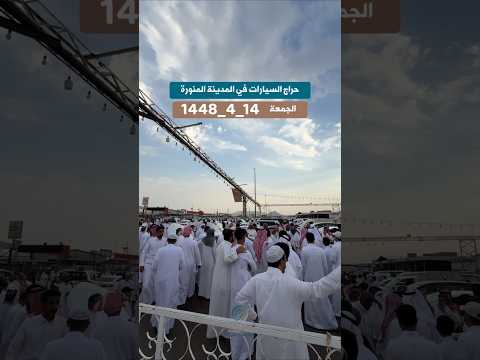
Why everyone stays standing after prayer in Masjid an-Nabawi
Visiting Madinah for Umrah is spiritually moving—and sometimes it’s also quietly confusing. Many pilgrims notice that once the obligatory prayer ends and the imam gives salam, the congregation doesn’t immediately disperse. Instead, people remain standing, as though waiting for something important to begin.
According to the video by Junaid Hussain, this is often because a janazah (funeral) prayer—Salat al-Janazah—is about to be offered. The video explains that this prayer occurs almost after every obligatory prayer at Masjid an-Nabawi in Madinah.
What is Salat al-Janazah in Madinah?
Salat al-Janazah is the prayer for the dead. The video describes that, following the obligatory prayer, the deceased are brought to the front of the masjid, placed before the imam, and then prayed over by thousands of people. The key point is that this prayer is performed on behalf of someone who may not be personally known to many of the congregants—yet it is carried out with reverence and collective devotion.
The video also highlights that there is no adhan and no iqamah. Instead, the imam simply begins the prayer when the congregation is ready.
How Salat al-Janazah is performed (as explained in the video)
One reason the moment can be missed is that Salat al-Janazah is short. The video states that it typically takes around two minutes from start to finish.
The structure is straightforward:
- Four takbirs in sequence
- All performed standing
- No ruku (bowing)
- No sujood (prostration)
- No tashahhud
- Ends with salam
The video also notes that what is recited can differ between the four madhahib. That means the general physical form—standing, four takbirs, and salam—is consistent, while the exact wording may vary according to the legal school followed.
Why it’s important (and why you shouldn’t rush out)
As the video suggests, once you’ve seen people remain standing after the obligatory prayer, it’s a good sign that Salat al-Janazah is about to be offered. The video explicitly asks viewers to understand why everyone stays, and it advises that you shouldn’t walk out when this prayer begins.
Even if you are new to Madinah, the spiritual meaning is clear: this is a highly significant congregational act, offered regularly in the most sacred setting. The video describes it as one of the most important prayers, reinforcing why staying present matters.
Quick guide for pilgrims: what to do in the moment
If you notice the congregation standing after the imam’s salam at Masjid an-Nabawi, here’s a simple way to respond—based on the video’s description:
- Stay in place and wait for the janazah prayer to start.
- Remain standing throughout, as the prayer has no ruku or sujood.
- Follow the imam through the four consecutive takbirs.
- Finish with salam when the prayer ends.
Because the video mentions that recitations may vary between madhahib, it’s best to focus on participating in the prayer’s key, clearly defined actions: standing, four takbirs, and salam.
Make your Madinah moments more meaningful with Sakina Tours
Madinah isn’t just a place to visit—it’s a place to understand. When you know what you’re seeing, everyday moments in the masjid become more enriching: the waiting, the standing, and the quiet rhythm of Salat al-Janazah. With Sakina Tours, you can enjoy curated Umrah guidance designed to help you connect more deeply with each act of worship you witness.
If you’re planning your trip, speak to our team about arranging a smooth, supportive experience—so you can focus on devotion, reflection, and making the most of your time in Madinah.
Frequently asked questions
Does Salat al-Janazah happen often at Masjid an-Nabawi?
Yes. The video explains that it happens almost after every obligatory prayer.
Is there an adhan or iqamah for the janazah prayer?
No. The video states there is no adhan and no iqamah; the imam simply begins.
How long is Salat al-Janazah?
The video describes it as short—typically around two minutes.
Do you do ruku or sujood in Salat al-Janazah?
No. The video explains it is performed entirely standing with no ruku and no sujood.