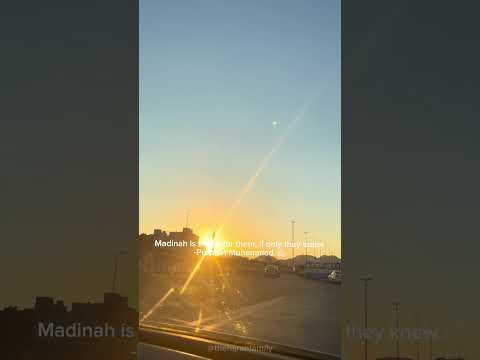
Madinah holds a special place in the hearts of Muslims worldwide. In a reflective talk by Junaid Hussain, the focus is on a phrase that many people hear again and again: “I want to die in Madinah.” Rather than being a wish for death to come sooner, this longing is explained as a hope connected to the immense virtue of the blessed city, the Prophet Muhammad ﷺ’s promise of intercession, and the spirituality surrounding the resting place of the believers.
Why do so many Muslims say, “I want to die in Madinah”?
Junaid Hussain gently clarifies a common misunderstanding: the people saying these words are not necessarily asking for death to arrive quickly. Instead, they are asking about where—because Madinah is not just a city of history, it is a place of deep spiritual hope.
In the video, the longing is described as a desire to be close to what Madinah represents: the love of the Prophet Muhammad ﷺ, the prayers connected to the people buried there, and the faith that Allah has placed exceptional virtue in this land.
The Prophet Muhammad ﷺ’s promise about dying in Madinah
At the heart of the discussion is a narration mentioned in the video. The Prophet Muhammad ﷺ said:
مَنِ اسْتَطَاعَ أَنْ يَمُوتَ بِالْمَدِينَةِ فَلْيَمُتْ بِهَا فَإِنِّي أَشْفَعُ لِمَنْ يَمُوتُ بِهَا
Its meaning is conveyed in the transcript as: “Whoever is able to die in Al-Madinah, then let him die there, for I will… (intercede) for the one who dies there.”
Junaid Hussain explains the emotional weight behind this promise. The phrase “I want to die in Madinah” becomes less about despair or wishing away life, and more about hope: the hope of being included among those for whom the Prophet ﷺ will intercede.
A connection to Al-Baqi: the Prophet’s prayers for those buried there
In the video transcript, Junaid Hussain also points to another touching detail: that late at night, the Prophet Muhammad ﷺ walked to Al-Baqi and prayed for forgiveness for the people buried there.
This adds an additional layer to the longing. When someone expresses that they want to die in Madinah, the video suggests they may be hoping to be among those connected to the Prophet’s ﷺ supplications—people the Prophet ﷺ remembered with dua.
What this longing symbolises (and what it doesn’t)
- It is not wishing for death to come sooner. The video stresses that the statement is about where—the spiritual significance of Madinah.
- It reflects love and aspiration. The longing is presented as tied to the Prophet Muhammad ﷺ and the exceptional virtue of the city.
- It is connected to hope of a good ending. The narrations highlighted in the video point towards mercy, intercession, and dua.
Taking the message into your own journey
If Madinah already stirs something in your heart, this video offers a meaningful lens: not simply romance with a destination, but sincere spiritual intention. Even before you travel, you can let the idea behind the narrations shape how you prepare—through increased love for the Prophet Muhammad ﷺ, reflection on the importance of a good ending, and a commitment to making the most of worship and character.
And when you do visit Madinah, the city becomes more than a place to see—it becomes a place to remember: where prayers were made, where faith was lived, and where the promise of intercession is deeply cherished.
Plan your Madinah visit with Sakina Tours
At Sakina Tours, we specialise in curated travel experiences that help you connect with each moment of your journey. From thoughtful itineraries to seamless support, we’ll help you travel to Madinah with clarity, comfort, and intention.
If you’re inspired by the hope and virtue discussed in Junaid Hussain’s video, now is the perfect time to turn reflection into action. Let Sakina Tours help you plan a meaningful trip to Madinah.
Note: This article is based on the YouTube video details and transcript excerpts provided, including the narration about the Prophet’s ﷺ intercession for those who die in Madinah and the mention of praying for those buried in Al-Baqi.