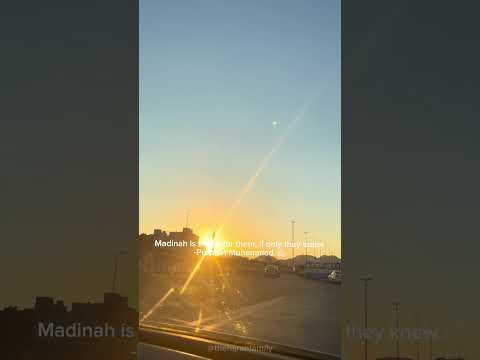
Why Winter in Madinah Feels Colder Than You Expect
Many pilgrims arrive expecting classic desert warmth, and it’s easy to see why. Madinah sits in the Middle East desert region—so you might think winter is “safe” to travel without extra layers. However, as Junaid Hussain explains in the video, the real factor isn’t just the temperature; it’s the wind. From November to January, cold conditions can take you by surprise, particularly around the early and late prayers.
If you’re planning a visit to Madinah during the colder months, the key takeaway is simple: pack for the cold, especially if you’ll be spending time outdoors or heading to Masjid an-Nabawi around Fajr and Isha.
How Cold Does Madinah Get in Winter?
According to the video, Madinah can become notably chilly during the winter season, with the coldest stretch commonly falling between December and January. The conditions can vary, but these are the figures shared:
- December–January: overnight temperatures often reach around 10–14°C.
- Wind chill effect: cold winds can make mornings and evenings feel even colder.
- Occasional cold spells: temperatures can drop to around 6°C.
Junaid Hussain also highlights that even if the “number” seems manageable, it’s the wind—especially after Fajr—that can feel like it “gets straight to your bones”.
What Winter in Madinah Feels Like (Especially at Prayer Times)
The video points out a common mistake: people sometimes don’t pack a jacket or socks because they assume it will stay warm. But winter in Madinah is different—particularly during prayer times when you’re out during cooler parts of the day.
Expect the atmosphere to feel sharper in the early morning and again in the evening. Even if you begin your day thinking it won’t be that cold, the combination of lower temperatures and wind can change how you feel quickly.
What to Pack for Umrah in Winter (Based on the Video)
If you’re travelling in November, December, or January, the video’s packing advice is clear. To stay comfortable throughout your visit to Madinah—and especially around Fajr and Isha—consider the following:
- Warm jacket or hoodie – essential for colder mornings and nights.
- Comfortable socks – help protect your feet when temperatures drop.
- Extra layers – particularly useful for Fajr and Isha when it can feel much colder.
- Comfortable walking shoes – you’ll likely be doing plenty of walking, so choose footwear that supports you.
By planning ahead, you’ll be able to focus on your spiritual journey rather than feeling uncomfortable in the cold.
Make the Most of a Beautiful Season in Madinah
Winter is often a welcome time to visit Madinah. The video frames the season as “beautiful”, with the main warning being preparation. When you arrive ready for the wind and lower temperatures, your time in the city can be more comfortable and enjoyable—no matter what time your day begins.
Want a smoother trip? When you plan your Umrah with Sakina Tours, we’ll help you think through the practical details—so you can travel with confidence from the moment you land.
Ready to Book?
If you’re considering a winter visit to Madinah, pack those warm layers and plan your dates wisely. Get in touch with Sakina Tours to arrange a carefully curated Umrah experience that suits your season and schedule.